The best night moisturizer does not have to include retinol just because you use it before bed. If your current goal is a straightforward moisturizing step, you can compare regular facial moisturizers without adding another treatment ingredient to the routine.
This guide looks at CeraVe PM Facial Moisturizing Lotion, Vanicream Daily Facial Moisturizer, and the non-SPF version of La Roche-Posay Toleriane Double Repair. The current manufacturer ingredient lists inspected for these exact products do not list retinol or another retinoid.
We checked the US manufacturer pages and linked Amazon listings on October 19, 2026. These are research-based options, without hands-on texture testing, clinical results, or a claim that skipping retinol is the right treatment decision for every reader.
Separate your moisturizer from your treatment decisions
Start with the question you actually need answered: whether you want a moisturizing product for the evening. That is a different shopping task from choosing a retinoid or deciding how to manage a diagnosed skin condition.
If a clinician has prescribed a treatment, ask how a moisturizer should fit around it rather than replacing the treatment with something from a comparison guide. A product being usable at night does not tell you how it fits an individual medical plan.
You can also keep your current cleanser familiar while evaluating a new moisturizer. Changing the entire shelf at once makes it harder to remember which products you used and what practical difference each one made.
| Product | Consider it for | Inspected package |
|---|---|---|
| CeraVe PM Facial Moisturizing Lotion | Clearly named evening facial lotion | 3 fl oz · single bottle |
| Vanicream Daily Facial Moisturizer | Dedicated day-or-night facial formula | 3 fl oz · single bottle |
| La Roche-Posay Toleriane Double Repair Face Moisturizer | Non-SPF formula usable morning or evening | Non-SPF · 3.38 oz stated listing · single tube |
CeraVe PM: consider a clearly named evening lotion

The inspected CeraVe listing is one three-fluid-ounce bottle of PM Facial Moisturizing Lotion. The manufacturer lists niacinamide, ceramides, and a hyaluronic-acid ingredient, and its directions describe use on the face and neck at night.
Consider it if you want a facial lotion with an explicit evening identity and those documented ingredients appeal to you. You can use the name to identify the exact product without assuming the letters PM mean it has been independently shown to work better during sleep.
The full ingredient list matters more than a familiar highlight. If you already know that a particular ingredient has caused problems for you, check that history against the current package instead of choosing from the front label alone.
The manufacturer describes the lotion as lightweight and oil-free, but we did not compare its feel with the other two products. Leave texture, residue, and compatibility with your own routine as questions you still need to evaluate.
Do not confuse this lotion with CeraVe’s AM products or retinol serums. Match the full PM Facial Moisturizing Lotion name and current bottle size, because the brand sells several products that belong at different points in a routine.
Vanicream Daily Facial Moisturizer: consider a day-or-night option

The inspected Vanicream listing is a single three-fluid-ounce bottle of Daily Facial Moisturizer. Its manufacturer lists squalane, glycerin, hyaluronic acid, and five ceramides, and describes the product as suitable for use during the day or at night.
This is the candidate to examine if you do not want a separate product labeled specifically for bedtime. A day-or-night moisturizer can simplify product identity, provided it fits your preferences and you remember that this selected product is not a sunscreen.
The manufacturer says the formula contains no botanical extracts or essential oils. That is a specific point of comparison with other ingredient lists, rather than a guarantee that no one can react to the product.
Daily Facial Moisturizer is also different from Vanicream’s large Moisturizing Cream pump. The facial product has its own formula and smaller package, so do not assume you are choosing a miniature version of the body cream.
Its practical limitation is that a compact facial bottle may be less appealing if you want one large multipurpose container. Decide whether your goal is a dedicated face product before comparing its unit price with a much larger body moisturizer.
La Roche-Posay Double Repair: consider the specific non-SPF version
Non-SPF · 3.38 oz stated listing · single tube
 Check Price on Amazon Read the manufacturer information
The inspected La Roche-Posay listing has the non-SPF style selected for Toleriane Double Repair Face Moisturizer. The manufacturer’s ingredient list includes glycerin, squalane, dimethicone, niacinamide, and ceramide NP, with directions allowing morning or evening use.
Consider this when you want that documented ingredient profile and a moisturizer that is not restricted to an evening label. The selected non-SPF identity is important because similarly named sunscreen versions answer a different question.
The listing’s browser title identifies a 3.38-ounce package, while the selected style confirms the non-SPF version. Match both details when comparing offers instead of assuming every similarly named tube contains the same amount.
Check the actual quantity and package at purchase, especially if you compare it with a different retailer or bundle. A matching product name does not by itself confirm that two offers contain the same amount.
The manufacturer describes a lightweight cream, but this guide did not test how it layers or feels at bedtime. Treat that description as product information rather than a promise about your pillow, your other products, or your skin.
Check the ingredient list instead of assuming from the name
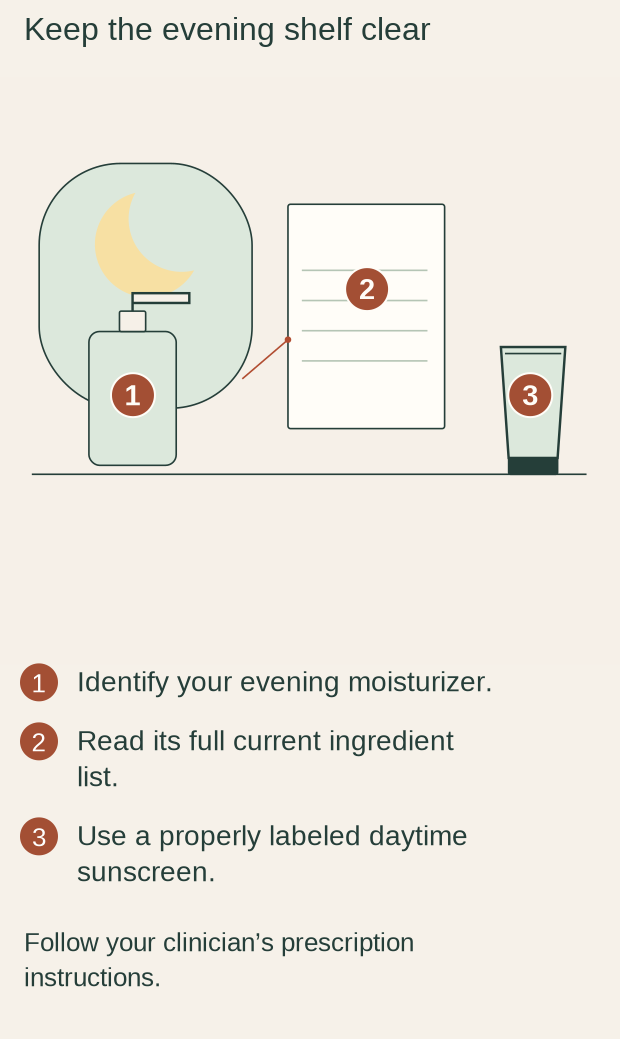
Night cream is a broad shopping description, not a single formula. Read the current full ingredient list when avoiding a particular ingredient is important, and verify that the version you receive matches the one you intended to buy.
For these three selections, our inspection found no listed retinoid in the manufacturer ingredient lists. That is a limited observation about these current product pages, not a certification of every future formula or every product carrying a similar name.
If you are avoiding an ingredient because of an allergy, pregnancy-related question, prescription, or another medical concern, ask the appropriate clinician what you need to check. This guide cannot establish personal suitability from an ingredient highlight.
Keep the moisturizer identity clear and read the current ingredients. Original illustration; these selected products are not sunscreens.
Decide how much to change at once
You do not need to buy all three products to make a useful comparison. Choose the one whose formula approach and package best answer your current question, then keep a clear record of the exact version you selected.
Before opening it, save the ingredient label and read the directions. That simple habit is more useful for a later conversation than remembering only the bottle color or that a friend called it a good night cream.
Think about the amount you are buying as well as the price. A manageable first purchase can make more sense than a multipack when you have not yet decided whether you like the product’s everyday feel.
If the moisturizer you already use comfortably meets your goal, identify what a replacement would improve. A different bottle, a specific ingredient preference, or an inconvenient existing texture is a clearer reason to shop than the idea that every evening needs a new active ingredient.
Keep the evening step understandable
Use your choice according to its package and any instructions from your clinician. The manufacturer directions are a better starting point than inventing a complicated layering schedule simply because several products are available.
Stop using a product that causes a reaction and seek appropriate advice if symptoms persist or concern you. A comparison cannot diagnose a problem, and a moisturizer should not become an excuse to keep experimenting through repeated discomfort.
Remember that none of these selected non-SPF products replaces a daytime sunscreen. If you use a day-or-night moisturizer in the morning, plan your sun protection as its own properly labeled step.
Your useful result is a clearly identified moisturizer that fits the evening you actually have. Choose from the documented differences, leave unsupported performance promises out of the decision, and ask for individual guidance when the question extends beyond ordinary product shopping.
Photo Credits
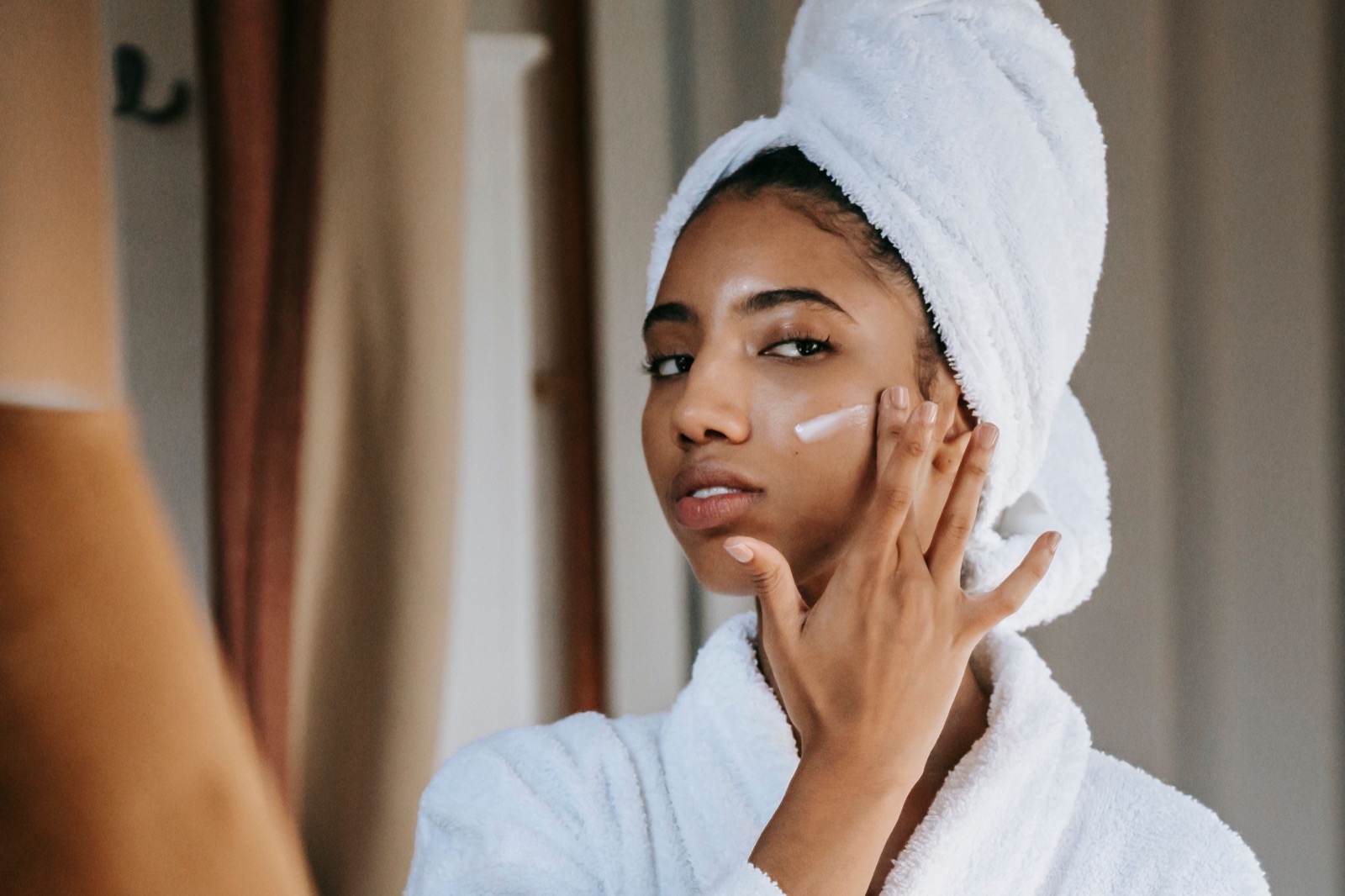
- An everyday care setting; no product trial or endorsement implied. Photograph: Sora Shimazaki / Pexels.