When selecting gloves for nail tech work, durability, tactile sensitivity, and skin-friendliness matter most. The top picks below are designed for long sessions, precise handling, and minimal residue. They’re ideal for nail technicians, estheticians, and salon professionals who regularly handle polish, tools, and moisture-heavy applications. This guide highlights five gloves that balance protection with dexterity, plus practical buying tips to match your workflow and skin needs.
Quick Comparison Table
| Product | Material | Thickness | Best For | Notable Pros | Potential Limitation |
|---|---|---|---|---|---|
| Schneider Nitrile Exam Gloves – Black, 4 Mil | Nitrile | 4 Mil | Nail techs seeking durability and a low-profile look | Puncture resistance, food-safe, latex-free | Black color may show stains over time |
| Schneider Nitrile Exam Gloves – Cherry Blossom, 4 Mil | Nitrile | 4 Mil | Exams, cleaning, nail care with pink color preference | Medical-grade feel, textured fingertips | Smaller color variety may affect inventory planning |
| Hand-E Touch Pink Nitrile – 3 Mil | Nitrile | 3 Mil | Nail techs requiring lighter, flexible gloves | Textured tips, versatile for salon tasks | thinner than 4 Mil options; less puncture resistance |
| Schneider Black Vinyl Exam Gloves – 4 Mil | Vinyl | 4 Mil | Budget-conscious, latex-allergy safe tasks | Latex-free, powder-free, food-safe | Vinyl not as durable as nitrile for heavy work |
| SwiftGrip Nitrile Exam Gloves – Cherry Blossom, 4 Mil | Nitrile | 4 Mil | High-frequency glove users; general salon duties | Excellent protection, food-safe, economical box | Limited color choices beyond pink/Cherry Blossom |
Schneider Nitrile Exam Gloves, 4 Mil Black
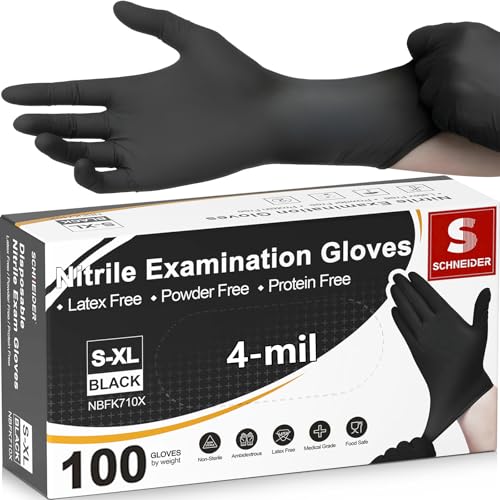
These heavy-duty black nitrile gloves are built for durability and puncture resistance. The 4-mil thickness balances protection with tactile sensitivity, making them suitable for precision nail work and tool handling. They’re latex-free and hypoallergenic, reducing the risk of irritation during long shifts. The food-safe certification adds versatility for salons that also handle cosmetic services aligned with food prep environments.
Best for: Nail technicians who value strong protection and a clean, professional appearance. Also suitable for kitchens or cleaning tasks where a discreet glove is preferred.
Why chosen: The combination of medical-grade quality, puncture resistance, and latex-free formulation helps minimize skin reactions while preserving grip and dexterity for detailed nail work.
Limitation: The black color may show staining over time and during heavy use; consider rotating colors if uniform appearance matters for branding.
Schneider Nitrile Exam Gloves – Cherry Blossom

Pink, medical-grade nitrile gloves with 4-mil thickness offer reliable protection and a textured grip for precise handling. The gloves are powder-free and latex-free, reducing irritation risks for sensitive skin. The textured fingertips improve grip for tools, making these gloves suitable for nail care, cleaning, and salon services where precision matters.
Best for: Nail techs who prefer a pink glove option and need reliable texture for small tools and brushes.
Why chosen: Durable yet flexible, these gloves combine comfort with controlled grip, which is critical for precise nail services and color application.
Limitation: The pink color may require shade planning in certain color-themed salons or branding contexts.
Hand-E Touch Pink Nitrile – 3 Mil
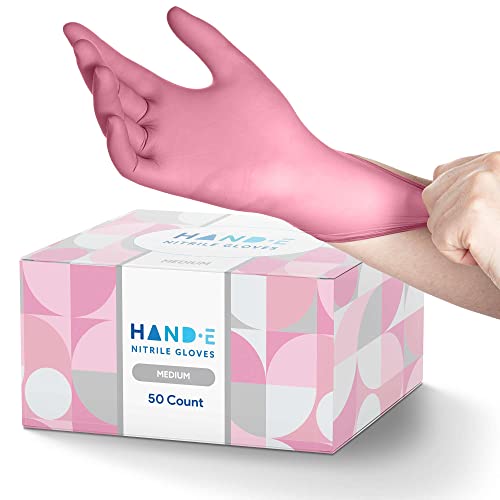
These 3-mil pink gloves are designed for high-stretch, low-resistance tasks. They offer a textured fingertips grip, making them suitable for nail care, hair coloring, and certain food-safe uses. Their lighter thickness allows for enhanced sensitivity in fine manicure work, while remaining resistant to tearing during typical salon tasks.
Best for: Nail techs who prioritize comfort and dexterity for delicate detailing, such as fine brushwork or gel polish applications.
Why chosen: The thinner profile provides better tactile feedback, which can improve precision during nail design work.
Limitation: Thinner gloves may offer less puncture protection under heavy-duty use or when handling sharp tools.
Schneider Black Vinyl Exam Gloves – 4 Mil

4-mil vinyl gloves offer a cost-effective alternative to nitrile while delivering latex-free protection. They are powder-free and suitable for food-safe tasks, including cooking and food handling, in addition to general cleaning and clinical-like uses. The black color helps conceal stains in busy salon environments.
Best for: Budget-conscious nail techs who need reliable, non-latex gloves for routine tasks and salon cleaning.
Why chosen: Vinyl gloves provide a practical balance of protection and price, especially in scenarios where frequent glove changes occur.
Limitation: Vinyl is generally less durable than nitrile, so avoid heavy-duty or puncture-prone tasks with these gloves.
SwiftGrip Nitrile Exam Gloves – Cherry Blossom

SwiftGrip offers a 4-mil nitrile glove with cherry blossom color, designed for solid protection and safe handling of chemicals and liquids. The gloves are powder-free and latex-free, suitable for long wear in salons. They emphasize a balance of durability and comfort, making them a versatile choice for nail tech work requiring reliable barrier protection.
Best for: Salon professionals who need dependable coverage during frequent glove changes and multi-step nail services.
Why chosen: The combination of 4-mil thickness and textured fingertips supports precise brushwork and tool handling, while staying comfortable over extended sessions.
Limitation: Availability may vary by color and box size, so plan inventory accordingly to avoid gaps in supply.
Buying Guide: How To Choose Glove Types For Nail Techs
What should I consider first?
Material matters. Nitrile gloves offer strong puncture resistance and good tactile sensitivity, making them ideal for nail tech tasks. Vinyl gloves are a more affordable option but generally less durable. For long sessions and frequent tool handling, choose 4-mil nitrile for a balance of protection and feel.
Powdered vs. powder-free
Powder-free gloves are standard in nail and salon work to prevent dust from powders entering polish or files. They also reduce skin irritation for most users. If you encounter sensitivities, latex-free formulations further minimize reaction risks.
Color and branding considerations
Color choices such as black or pink can support clean lines in photos and branding. Black nitrile gloves hide stains well, while pink variants can align with specific salon aesthetics. Consider color consistency for inventory and client perceptions.
Fit and texture
Textured fingertips improve grip on small tools, brushes, and bottles. A snug, contoured fit reduces slipping and improves control. For detailed nail work, texture is often as important as thickness.
Food-safe labeling and cross-use
Some gloves are explicitly labeled as food-safe, which offers flexibility for salons that perform small culinary tasks or manage multi-service spaces. This labeling does not replace medical-grade use, so select gloves based on the primary workload.
Durability vs. comfort
Higher thickness (4 mil) provides better puncture resistance, but some technicians prefer slightly thinner gloves for enhanced sensitivity. When choosing, weigh the need for protection against the precision required for delicate nail art and color work.
FAQ: Quick Answers For Nail Tech Glove Selection
- Are nitrile gloves better than vinyl for nail tech work? Nitrile gloves typically offer better durability and puncture resistance, along with improved tactile sensitivity, which is helpful for precise nail art and tool handling. Vinyl tends to be cheaper but less durable.
- What thickness is best for nail tech tasks? Four-mil nitrile gloves provide strong protection while maintaining good feel for brushes and implements. Thicker options offer more protection but can reduce tactile feedback.
- Should I choose latex-free gloves? Yes, latex-free gloves reduce the risk of allergic reactions and are suitable for most salon environments where latex sensitivities may exist.
- Is a textured finish important for nail work? Yes. Textured fingertips improve grip on small tools, bottles, and brushes, helping prevent slips during precise applications.
- Can gloves be used for both nail care and food prep? Some gloves are labeled as food-safe, which can cover light food-prep tasks. For dedicated nail work, prioritize gloves designed for medical or professional use.
- How often should I replace gloves during a shift? Change gloves promptly if they become torn, soiled, or when switching between tasks with different chemical exposures to maintain hygiene and performance.