Answering your search for a quality foot soak for pedicure, this guide highlights five top options and who they suit best. Each product is chosen for ease of use, effectiveness in softening skin, and suitability for home spa rituals or professional pedicures. This overview helps you compare textures, scents, and skin-benefiting ingredients to pick the right soak for calluses, odor control, or relaxation. The buyer’s table below summarizes quick facts about the five selections to assist in rapid decision-making.
| Product | Main Benefit | |||
|---|---|---|---|---|
| Gena Pedi Soak Foot Bath | Foaming cleansing with tea tree oil | Tired feet seeking a spa-like soak | Tea Tree Oil | 8.5 fl oz |
| Dr Teal’s Epsom Salt Soak | Eases aches, relaxes body | Foot soreness and stress relief | Epsom Magnesium | 3 lbs |
| FOOT CURE Tea Tree Foot Soak | Antifungal and odor control | Stubborn foot issues and odor | Tea Tree Oil | 16 oz |
| SPA REDI Foot Soak | Detoxifying mineral infusion | Professional-grade prep for pedicures | Mineral salts blend | 128 oz |
| Purely Northwest Tea Tree & Peppermint Mix | All-natural, anti-itch, odor relief | Sensitive skin and odor-prone feet | Tea Tree, Peppermint | 1 lb |
Gena Pedi Soak Foot Bath With Tea Tree Oil

Best for: Home pedicures and daily foot spa rituals. This foaming formula cleanses dry skin and softens calluses while deodorizing feet. Tea Tree Oil provides a refreshing, antiseptic note that supports fresh feet after long days. The product is ideal for clients who want a spa-like soak without complex prep.
Why selected: Its foaming action offers a soothing experience, and the concentrated formula targets tired skin with a gentle, cleansing effect. The combination of cleansing and deodorizing properties makes it versatile for both at-home and salon use.
Limitation: The foaming action is mild and may be less intense on very thick calluses; pairing with a scrub can enhance results.
Dr Teal’s Epsom Salt Magnesium Soak
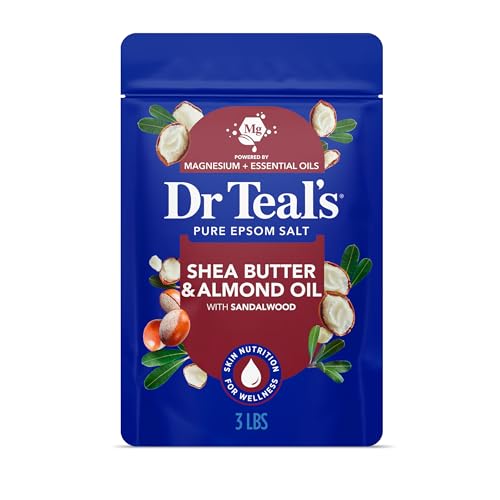
Best for: Those seeking full-body relaxation that starts with the feet. Epsom salt provides magnesium that can ease muscle tension and reduce stress, while the blend of natural additives supports softening and moisturizing.
Why selected: The product emphasizes a magnesium-driven soak that complements foot-specific care, making it a solid option for foot care routines as part of a broader wellness regimen.
Limitation: It focuses on overall relaxation rather than targeted foot callus removal; consider pairing with a foot file for rough skin.
FOOT CURE Tea Tree Oil Foot Soak

Best for: Odor control, callus management, and athletes foot relief. The blend aims to address multiple foot care concerns with a focus on antimicrobial support from tea tree oil and Epsom-based soaking.
Why selected: It combines multiple benefits—callus softening, odor reduction, and antifungal action—making it a versatile choice for problem-prone feet. It also doubles as a spa-grade bath salt for aromatherapy.
Limitation: The strong tea tree scent may be overpowering for sensitive users; consider scent-moderating options if needed.
SPA REDI Foot Soak for Pedicure Prep

Best for: Professional-grade pedicure preparation and deep skin nourishment. Its mineral infusion is designed to detoxify and nourish the skin, creating a solid base for subsequent pedicure steps.
Why selected: The product emphasizes a higher mineral profile to deliver real detoxification and nourishment, with compatibility for spa systems and routine home use, making it a strong anchor for serious foot care routines.
Caution: It is a larger quantity; ensure proper storage to maintain mineral integrity over time.
Purely Northwest Tea Tree & Peppermint Foot Soak
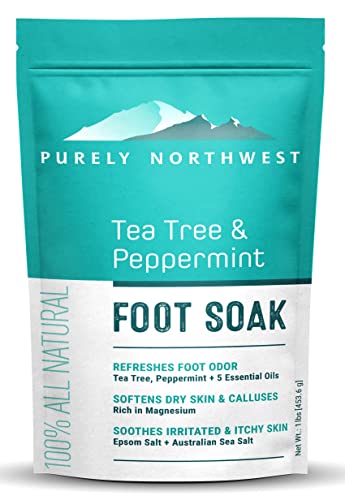
Best for: Soothing sensitive skin with essential oils that calm burning, itching, and odor. The blend uses tea tree and peppermint to provide cooling relief and a refreshing scent during soaking.
Why selected: The combination of essential oils targets common foot discomfort areas while remaining gentle enough for sensitive skin, making it a good daily-use option for a relaxing ritual.
Limitation: Essential oil blends may not suit everyone; test a small area if you have sensitivities.
Buying Guide
- What is the primary goal of your foot soak? Choose a soak that targets your main need: moisture and softness (skin-nourishing blends), odor control (tea tree or peppermint), or detoxification and spa-ready prep for professional pedicures.
- What is your preferred texture? Foaming formulas offer a luxurious feel, while mineral blends deliver deeper skin nourishment and detoxification.
- Do you have skin sensitivities? Opt for natural ingredients with minimal synthetic fragrance and essential oil blends if you have sensitive skin. Always check for potential allergens.
- How important is scent? Strong tea tree or peppermint scents can be invigorating but may overwhelm some. Consider milder or fragrance-free options if needed.
- Size and storage considerations? Larger quantities may be more economical, but ensure you have adequate storage and plan for use within the product’s shelf life.
- Best practice for use? Follow recommended soak durations (often 10–20 minutes) and pair with a buffing scrub or file to maximize softness and callus reduction.
FAQ
- How long should I soak my feet? Most foot soaks suggest 10–20 minutes for effective skin softening without over-drying.
- Can I mix foot soaks with other products? Yes, but avoid mixing strong active ingredients that could irritate the skin. Use one soak at a time.
- Is a foot soak good for calluses? Soaks help soften calluses, making it easier to gently smooth them with a file or pumice stone.
- Are essential oils safe for everyone? Essential oils can cause irritation for some; dilute properly and discontinue use if irritation occurs.
- Which soak is best for odor control? Soaks with tea tree or peppermint oils are commonly effective for odor reduction and antifungal support.
- Should I use a foot soak every day? Daily soaking is usually unnecessary; 2–3 times per week can be sufficient unless you have specific foot care needs.