Answering the need for portable, easy-to-apply sun protection, SPF sticks for the face offer mineral or chemical filters in a convenient, stain-free format. This guide highlights five top options, ideal for daily wear, travel, and quick re-application. Best for: commuters needing touch-ups, active outdoors enthusiasts, and those with sensitive or reactive skin who prefer fragrance-free formulas.
Summary table of selected products
| Product | Best For | Key Benefit |
|---|---|---|
| CeraVe Mineral Sunscreen Stick SPF 50 | Sensitive skin, everyone | 100% mineral filters, fragrance-free, Hawaii compliant |
| Neutrogena Ultra Sheer Stick SPF 60 | Minimal residue, makeup-friendly | Invisible finish, quick-dry, vitamin C & E |
| Cetaphil Sheer Mineral Sunscreen Stick SPF 50 | Hydration without greasiness | Microbiome-friendly formula, non-greasy |
| Abib Airy Sunstick SPF50+ | All skin tones, light feel | Semi-matte, no white cast, water resistant |
| Neutrogena Beach Defense SPF 50 | Beach/outdoor activities | Up to 80-minute water resistance |
CeraVe Mineral Sunscreen Stick SPF 50

Best for sensitive skin and travel-ready application. This 100% mineral sunscreen uses zinc oxide and titanium dioxide with InVisibleZinc technology for a clear finish, reducing white residue on the skin. The fragrance-free, oil-free formula supports a non-greasy feel and suits delicate facial areas like lips and eyes. Hawaii-compliant protection avoids oxybenzone and related chemicals. Ideal for daily use by individuals seeking a clean, mineral-based shield that travels well. Limitation: mineral sticks can require a firmer glide on very dry skin.
Neutrogena Ultra Sheer Stick SPF 60

Best for a nearly invisible finish with a matte look. This SPF 60 stick provides UVA/UVB protection with Helioplex technology and includes vitamin C and E for skin-supporting antioxidants. The fragrance-free, vegan formula wears under makeup and dries quickly without a greasy residue. It’s a strong choice for those wanting a high-SPF option that remains light and non-smearing during outdoor activities. Caution: may require multiple passes for longer sun exposure coverage.
Cetaphil Sheer Mineral Sunscreen Stick SPF 50
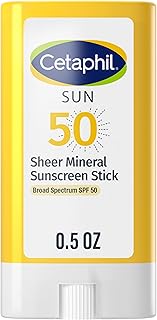
Best for sensitive or microbiome-conscious skin. Cetaphil’s mineral stick provides 100% mineral filter protection with zinc oxide and titanium dioxide, offering a non-greasy, hydrating formula that blends quickly. It’s water-resistant up to 80 minutes and designed to minimize disruption to the skin’s natural microbiome. Suitable for daily use and delicate skin, though mineral sticks can feel less slick than chemical formulations during reapplication.
Abib Airy Sunstick Protection Bar SPF50+

Best for all skin tones seeking a lightweight, semi-matte finish. Abib’s sunstick delivers strong SPF50+ protection with a clear application that avoids white cast. The semi-matte result controls shine while maintaining hydration, making it suitable for makeup wearers and those who dislike oily textures. A limitation is that semi-matte textures may feel less moisturizing on very dry skin.
Neutrogena Beach Defense Sunscreen Stick SPF 50
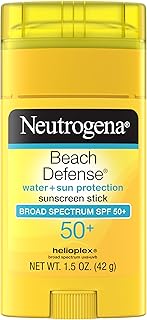
Best for beach and outdoor use with strong water resistance. This SPF 50 stick provides reliable broad-spectrum protection and a non-greasy, quick-drying formula suitable for active days. It glides smoothly and stays put through light sweat and humidity. Consider reapplication after prolonged water exposure or activities that rub the product away.
Buying Guide: SPF Stick For Face Purchase Considerations
- Filter Type: Mineral vs chemical filters. Mineral sticks (zinc oxide, titanium dioxide) are often better for sensitive skin and provide a tintedless finish, while chemical filters can offer lighter textures for makeup wearers.
- Finish and Texture: Look for a formula that matches your skin type—matte or semi-matte for oily skin, hydrating for dry skin, and fragrance-free for sensitive skin.
- Reapplication Ease: Consider stick size, glide, and travel-friendliness. Smaller, firmer sticks can improve on-the-go reapplication.
- Water Resistance: If you swim or sweat heavily, prioritize water resistance ratings (commonly up to 40–80 minutes) and plan for reapplication after water exposure.
- Skin Compatibility: For sensitive or reactive skin, fragrance-free and microbiome-friendly formulas are preferable. Also check for Hawaii-compliant labels if oxybenzone avoidance matters.
- Usage Scenarios: Choose sticks that are easy to apply around eyes, lips, and hairline. Some sticks are formulated for all-over face use, others target specific zones.
- Ingredients You Prefer: If you avoid certain additives, verify that the product aligns with your brand preferences (e.g., vegan, non-comedogenic).
FAQ
- Are SPF sticks suitable for all skin types?
Yes, many SPF sticks are designed for a wide range of skin types, especially those formulated to be non-greasy, fragrance-free, or mineral-based. Always check the specific product’s notes for sensitive skin suitability.
- What makes mineral SPF sticks different from chemical ones?
Mineral sticks use physical filters like zinc oxide or titanium dioxide, often resulting in a clearer finish with less risk of irritation. Chemical sticks rely on organic filters that absorb UV light, and may include added fragrances.
- How often should you reapply SPF sticks during the day?
Reapply every two hours when exposed to sun, or after sweating, swimming, or towel-drying. For water-resistant formulas, follow the product’s stated duration before reapplication.
- Can you wear SPF sticks under makeup?
Yes, many sticks are designed to wear under makeup or to be worn as a makeup-friendly layer on bare skin. Look for lightweight, clear-finishing options if you apply makeup on top.
- Do SPF sticks cover only the face?
Most sticks are formulated for the face, but some can be used on exposed shoulders, ears, and other small areas. Always follow the product’s intended use on the label.
- Are there any safety concerns with stick sunscreens?
Choose products that comply with regulatory standards, avoid known irritants if you have sensitive skin, and check for any regional restrictions (such as Hawaii’s oxybenzone ban) for mineral sticks.